What is Connected Manufacturing?

Share:






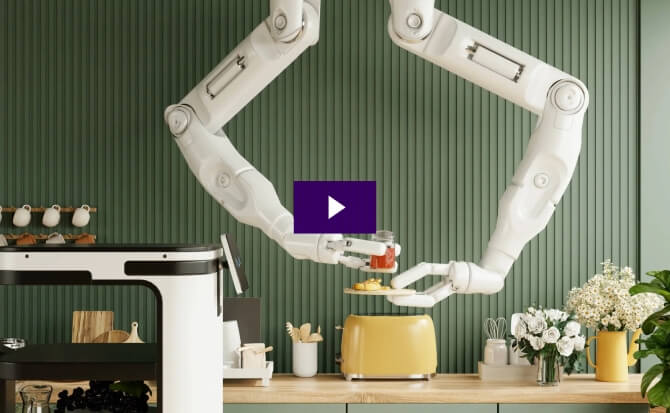
Desde una experiencia de usuario interactiva hasta el impacto proactivo en la productividad con Co-Pilot, IFS.ai aprovecha todos los datos y las capacidades de IFS para potenciar la información.
Desde una experiencia de usuario interactiva hasta el impacto proactivo en la productividad con Co-Pilot, IFS.ai aprovecha todos los datos y las capacidades de IFS para potenciar la información.
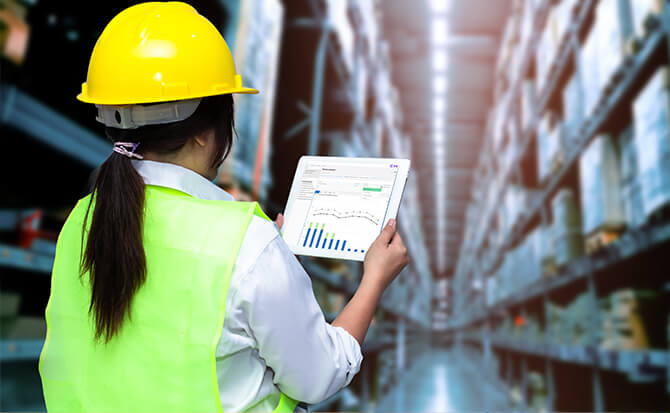
IFS ha trabajado con IDC para compilar un informe de investigación que analiza cómo será el futuro.
Descúbralo ahora
IFS ha trabajado con IDC para compilar un informe de investigación que analiza cómo será el futuro.
Descúbralo ahora
Combine diferentes capacidades según sus requisitos empresariales específicos y adáptese rápidamente a las nuevas oportunidades.
Lea el documento técnico
Combine diferentes capacidades según sus requisitos empresariales específicos y adáptese rápidamente a las nuevas oportunidades.
Lea el documento técnico
Cómo obtener valor de una guía para el cambio tecnológico a nivel empresarial.
Descargar guía
Cómo obtener valor de una guía para el cambio tecnológico a nivel empresarial.
Descargar guía

Conozca nuestros avances en temas medioambientales, sociales y de gobernanza
Más Información
Conozca nuestros avances en temas medioambientales, sociales y de gobernanza
Más Información
In today's fast-paced industrial landscape, connected manufacturing is revolutionizing how businesses operate, using data and technology to enhance efficiency and productivity. By embracing advanced technologies, companies can ensure a smooth flow of information across their operations, enabling real-time decisions and optimized processes.
As industries evolve, understanding the principles and applications of connected manufacturing, connected worker manufacturing, and connected smart manufacturing becomes crucial for sustainable growth and staying competitive. This article explores the core components of connected manufacturing, the key technologies driving its adoption, and the challenges companies face during implementation, along with practical solutions to overcome them.
Connected manufacturing is all about integrating digital technologies into the manufacturing process, allowing for real-time data exchange and communication among machines, systems, and personnel. At its core, connected manufacturing, connected worker manufacturing, and connected smart manufacturing create an interconnected ecosystem that fosters collaboration, visibility, and responsiveness within the manufacturing environment. Key concepts include data integration, real-time analytics, and automation, which collectively optimize production processes in the manufacturing industry.
The Internet of Things (IoT) plays a pivotal role in establishing interconnected manufacturing systems. By embedding sensors and smart devices in machinery and equipment, manufacturers can gather valuable data on performance, maintenance needs, and operational efficiency. This data is transmitted and analyzed in real-time, enabling proactive decision-making and reducing downtime. IoT not only enhances the connectivity of manufacturing components but also empowers companies to quickly adapt to changes in demand and operational challenges.
The operational efficiency gains from connected manufacturing are significant. With enhanced visibility into the entire production process, manufacturers can identify bottlenecks, minimize waste, and streamline workflows. Improved data analytics lead to better forecasting and inventory management, resulting in lower costs and higher customer satisfaction. Moreover, real-time monitoring of equipment health and performance helps organizations prevent costly breakdowns and ensure optimal operation. In the ever-changing manufacturing landscape, embracing connected manufacturing, connected worker manufacturing, and connected smart manufacturing is vital for companies aiming to strengthen their competitive edge and drive innovation.
Connected manufacturing is transforming industrial operations, fueled by several key technologies. The Internet of Things (IoT) is essential, enabling seamless device and machine communication for real-time monitoring and control of manufacturing processes. IoT sensors embedded in equipment collect crucial data, which is processed using advanced analytics to improve efficiency and decision-making.
Artificial Intelligence (AI) significantly enhances connected manufacturing by enabling predictive maintenance and optimizing production schedules. AI algorithms analyze vast data quantities, allowing manufacturers to foresee equipment failures before they occur and dynamically adjust processes for maximum productivity. Additionally, cloud computing provides the necessary infrastructure for storing and processing the immense data volumes generated in connected manufacturing environments, ensuring information is accessible across various platforms and locations.
Data analytics are central to the success of connected manufacturing, connected worker manufacturing, and connected smart manufacturing, turning raw data into actionable insights. By leveraging analytics, manufacturers can identify trends, monitor performance in real-time, and make informed decisions to drive operational efficiency. Moreover, automation and robotics are seamlessly integrated into connected manufacturing systems, enhancing precision and minimizing human error potential. Automated processes, powered by real-time data insights, offer greater flexibility and scalability in production, enabling manufacturers to respond swiftly to market demands.
Manufacturers aiming to enhance operational efficiency through connected manufacturing often face several common hurdles, including legacy systems incompatible with new technologies, a shortage of skilled personnel to manage and interpret data, and cybersecurity concerns. The complexity of integrating various IoT devices and platforms can also be challenging, causing delays in implementation.
To tackle these challenges, manufacturers can adopt a phased implementation approach. Starting with pilot projects allows organizations to test connected solutions on a smaller scale, identify potential issues, and refine strategies before broader deployment. Investing in employee training programs is crucial to empower the workforce to effectively leverage new technologies. Collaborating with experienced technology partners can also help navigate integration complexities and bolster cybersecurity measures.
Numerous case studies highlight successful transitions to connected manufacturing, connected worker manufacturing, and connected smart manufacturing. For instance, a leading automotive manufacturer implemented an IoT platform that streamlined production processes, reducing downtime by 20%. Another example is a food processing company that adopted connected sensors to monitor equipment health, resulting in a 15% increase in operational efficiency. These examples illustrate how strategic implementation of connected manufacturing not only addresses challenges but also drives significant business outcomes.


Share:

Share:

Share:

