What is Connected Manufacturing?

Share:






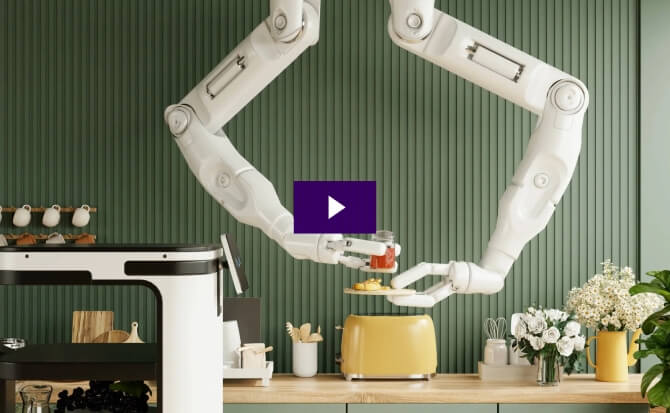
IFS.ai maakt gebruik van alle gegevens en IFS-capaciteiten om inzichten een boost te geven, van een interactieve gebruikerservaring tot een proactieve impact op de productiviteit met Co-pilot.
IFS.ai maakt gebruik van alle gegevens en IFS-capaciteiten om inzichten een boost te geven, van een interactieve gebruikerservaring tot een proactieve impact op de productiviteit met Co-pilot.

Mix en match verschillende capaciteiten op basis van uw specifieke bedrijfsvereisten en pas u snel aan op nieuwe kansen.
Lees de whitepaper
Mix en match verschillende capaciteiten op basis van uw specifieke bedrijfsvereisten en pas u snel aan op nieuwe kansen.
Lees de whitepaperHoe u waarde kunt halen uit een bedrijfsbrede handleiding voor technologische veranderingen.
Download handleidingHoe u waarde kunt halen uit een bedrijfsbrede handleiding voor technologische veranderingen.
Download handleiding

Lees meer over onze voortgang op het gebied van milieu, maatschappij en governance
Meer informatie
Lees meer over onze voortgang op het gebied van milieu, maatschappij en governance
Meer informatie
What is smart manufacturing? Smart manufacturing refers to advanced manufacturing processes that leverage integrated technologies to create a more efficient, responsive, and flexible production environment. At its core, smart manufacturing is characterized by the use of IoT (Internet of Things), artificial intelligence, big data analytics, and cloud computing. These technologies enable real-time data collection and analysis, allowing manufacturers to optimize operations, reduce waste, and enhance product quality.
The emergence of Industry 4.0 has been pivotal in the evolution of smart manufacturing. Industry 4.0 represents the fourth industrial revolution, incorporating cyber-physical systems and the digital transformation of manufacturing. This revolution emphasizes connectivity, automation, and the use of smart manufacturing technologies to facilitate seamless communication between machines, systems, and people. As a result, manufacturers can achieve higher levels of productivity and innovation while responding swiftly to market demands.
Smart manufacturing integrates seamlessly with traditional manufacturing processes. While conventional manufacturing relies heavily on manual labor and fixed automation, smart manufacturing enhances these processes by introducing data-driven decision-making and adaptive systems. Traditional supply chain models can be transformed into more agile frameworks through real-time data analytics, enabling proactive responses to disruptions and changes in demand.
Additionally, smart manufacturing facilitates the retrofitting of existing machinery with smart technologies, allowing traditional manufacturers to upgrade their operations without complete overhauls. This integration preserves investments in legacy systems while positioning manufacturers to take advantage of the efficiencies offered by smart technologies. Understanding smart manufacturing is crucial for businesses looking to thrive in today’s competitive landscape, as it represents a harmonious blend of innovation and tradition.
Smart manufacturing is transforming the industrial landscape by integrating advanced technologies that enhance operational efficiency, reduce costs, and improve product quality. A significant driver of this transformation is the Internet of Things (IoT). By connecting machines, sensors, and devices, IoT enables real-time data collection and analysis, allowing manufacturers to monitor processes and identify inefficiencies swiftly. This connectivity streamlines operations and facilitates better decision-making, leading to increased productivity and reduced downtime.
Artificial intelligence (AI), combined with machine learning, is another critical technology in smart manufacturing. These technologies empower manufacturers to implement predictive maintenance strategies, significantly reducing the likelihood of equipment failures. By analyzing historical data and identifying patterns, AI can forecast when a machine is likely to need maintenance. This proactive approach minimizes unexpected breakdowns and optimizes maintenance schedules, ultimately saving time and resources.
Cloud computing plays a pivotal role in supporting smart manufacturing initiatives. With cloud-based solutions, manufacturers can store vast amounts of data securely and access it from anywhere at any time. This flexibility enhances collaboration among teams and ensures that critical information is readily available for analysis and decision-making. The scalability of cloud computing allows businesses to adapt to changing demands without significant upfront investments in infrastructure.
Industrial AI also influences smart manufacturing by enhancing process optimization and decision-making. AI-driven analytics provide insights into production data, enabling manufacturers to identify trends and patterns that can improve efficiency. AI can also optimize supply chain management by predicting demand and adjusting inventory levels, reducing waste and ensuring timely delivery of products.
In conclusion, the integration of IoT, AI, cloud computing, and industrial AI is driving the evolution of smart manufacturing. These technologies improve operational efficiency and empower manufacturers to respond swiftly to market changes and customer demands. As businesses continue to embrace these innovations, the future of manufacturing looks smarter, more sustainable, and responsive.
Smart manufacturing represents a revolutionary shift in designing and executing production processes. Leveraging advanced technologies such as IoT, AI, and big data analytics, manufacturers can significantly enhance productivity and efficiency within their operations. Automation of routine tasks speeds up production and minimizes human error, leading to more streamlined workflows. With smart systems in place, production lines can quickly adapt to changing demands, ensuring effective resource utilization and maximized output.
One of the most compelling benefits of smart manufacturing is the reduction of operational costs. Automation plays a crucial role in this aspect. Integrating automated systems lowers labor costs, decreases energy consumption, and optimizes resource allocation. These savings can be reinvested into further innovation and development, creating a sustainable cycle of improvement. Real-time data monitoring allows businesses to identify inefficiencies and address them promptly, further driving down costs.
Quality control is another critical area where smart manufacturing excels. Intelligent monitoring systems improve quality assurance throughout the production process. Automated quality checks detect defects early, reducing waste and ensuring that only the highest-quality products reach consumers. This enhances customer satisfaction and strengthens brand reputation. Additionally, reducing waste contributes to cost savings and aligns with sustainability goals, making smart manufacturing an environmentally responsible choice.
In summary, the benefits of smart manufacturing are multi-faceted, encompassing enhanced productivity, reduced operational costs, and improved quality control. As manufacturers continue to embrace these innovations, they position themselves for long-term success in an increasingly competitive market.
Transitioning from traditional to smart manufacturing is a strategic move that can enhance efficiency, reduce costs, and improve product quality. The first step in this transition involves thoroughly assessing current manufacturing processes. Identify inefficiencies and areas where technology can play a role in automation, data collection, and analysis. Next, develop a clear roadmap outlining the specific goals of implementing smart manufacturing solutions. This roadmap should include timelines, budget considerations, and required resources.
Once the transition plan is in place, the integration of new technologies is crucial. Best practices for integrating these technologies include starting with pilot projects to test their effectiveness before a full-scale rollout. Engage stakeholders across all levels of the organization to ensure buy-in and collaboration. Training employees on new systems and tools is vital to facilitate a smooth transition and maximize the benefits of smart manufacturing solutions.
Case studies of successful smart manufacturing implementations highlight the potential benefits and innovative approaches that can be employed. For instance, a prominent automotive manufacturer successfully adopted IoT sensors in their production line, enabling real-time monitoring and predictive maintenance. This shift reduced downtime and optimized overall production efficiency. Another example involves a consumer goods company that integrated advanced analytics into their supply chain management, resulting in improved inventory accuracy and reduced waste.
These examples illustrate the transformative impact of smart manufacturing when approached methodically and strategically. Leveraging the right technologies and maintaining a focus on continuous improvement, organizations can navigate the complexities of modern manufacturing and gain a competitive edge in the market.
For more information on how smart manufacturing can benefit your business, visit our Manufacturing industry page and explore our manufacturing solutions.


