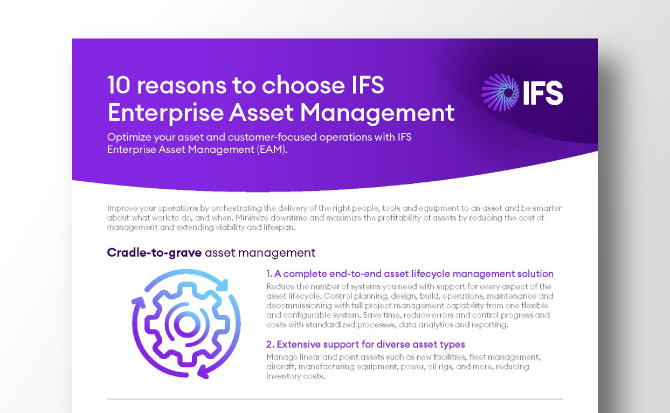
Achieve excellence with planning and scheduling optimization

Share:







İnteraktif kullanıcı deneyiminden IFS.ai Co-pilot ile üretkenliği artırmaya kadar IFS.ai, ekiplerinizi güçlendirmek için tüm verileri ve IFS yeteneklerini kullanır.
İnteraktif kullanıcı deneyiminden IFS.ai Co-pilot ile üretkenliği artırmaya kadar IFS.ai, ekiplerinizi güçlendirmek için tüm verileri ve IFS yeteneklerini kullanır.

IFS, geleceğin nasıl olacağını analiz eden bir araştırma raporu oluşturmak için IDC ile birlikte çalıştı.
Şimdi keşfedin
IFS, geleceğin nasıl olacağını analiz eden bir araştırma raporu oluşturmak için IDC ile birlikte çalıştı.
Şimdi keşfedin
Şirketinize özel ihtiyaçlarınıza göre farklı yetenekleri bir arada kullanın ve yeni fırsatlara hızla uyum sağlayın.
Teknik incelemeyi okuyun
Şirketinize özel ihtiyaçlarınıza göre farklı yetenekleri bir arada kullanın ve yeni fırsatlara hızla uyum sağlayın.
Teknik incelemeyi okuyun
Kurumsal ölçekte dijital dönüşüm için teknoloji değişikliği rehberinden nasıl değer elde edilir?
Hemen İndir
Kurumsal ölçekte dijital dönüşüm için teknoloji değişikliği rehberinden nasıl değer elde edilir?
Hemen İndir

Çevresel, sosyal ve yönetim alanlarındaki ilerlememizi keşfedin.
Daha fazla bilgi edinin
Çevresel, sosyal ve yönetim alanlarındaki ilerlememizi keşfedin.
Daha fazla bilgi edinin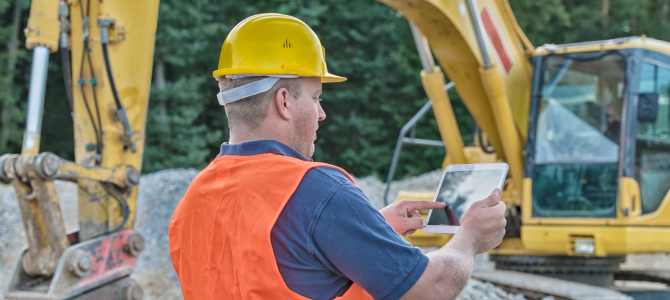
What exactly does preventive maintenance entail? At its core, preventive maintenance performed at defined points or based on usage thresholds to prevent equipment failure. The principle is straightforward: consistently maintain your assets in prime condition to mitigate the risk of unexpected repairs while maximizing operational efficiency. Preventive maintenance strategies are based on factors such as asset type, operating conditions, manufacturer recommendations, and usage patterns. Activities typically revolve around routine inspections, part replacement and performance checks specifically to the needs and conditions of each asset, which are determined by their usage and operational context. This proactive approach is not merely about avoiding operational headaches; it's fundamentally about optimizing performance, enhancing safety, and ultimately reducing costs over time.
By gaining a solid understanding of preventive maintenance, organizations can develop robust strategies that bolster reliability and safety. This helps ensure reliable operation and prevents unplanned downtime preventing potential disruptions. In the fast-paced and highly competitive environment of today's market, adopting preventive maintenance practices is not just a smart move; it's an essential strategy for maintaining a competitive edge.
To truly appreciate the breadth of preventive maintenance, let’s explore the various types employed across industries. There are three primary categories of preventive maintenance:
By effectively understanding and implementing these different types of preventive maintenance, businesses can better align maintenance efforts with asset needs and operational demands, improving uptime, reducing costs, and protecting long-term asset performance, and ultimately, a healthier bottom line.
Having established the foundational concepts of preventive maintenance, it is essential to discuss its significance in the operational landscape. Firstly, preventive maintenance acts as a cost control strategy that identifies and addresses potential issues before they escalate into costly failures or downtime. By detecting wear, performance deviations, or early signs of malfunction organizations can reduce unexpected downtimes, plan maintenance more predictably, and support better budgeting and resource allocation.
Moreover, preventive maintenance enhances operational efficiency. Equipment that is well-maintained tends to run at optimal performance, consuming less energy and delivering more consistent output. Safety is another paramount benefit; routine maintenance checks help reduce the risk of equipment-related accidents and ensure compliance with essential health and safety regulations.
In summary, a robust preventive maintenance program serves as a cornerstone for any business aspiring to achieve long-term success. It transcends the mere act of keeping machinery operational; it is an enabler of reliability, risk reduction, and long-term financial health.
Understanding the distinction between preventive maintenance and reactive maintenance is crucial for any organization seeking to optimize asset performance and minimize unplanned costs.. While preventive maintenance embodies a proactive approach focused on regular care to avert breakdowns, reactive maintenance addresses repairs only after a failure has occurred. This key difference can significantly impact asset availability, operational efficiency and maintenance costs.
Preventive maintenance strategies are systematic and planned, reducing the likelihood of unexpected issues and extending the lifespan of equipment. Conversely, reactive maintenance, although sometimes unavoidable, often results in inflated costs and prolonged downtimes, which can disrupt operations and harm productivity.
Choosing to prioritize preventive maintenance over reactive strategies is especially advantageous in industries where equipment reliability, uptime, safety, and regulatory compliance are non-negotiable. Sectors such as manufacturing, transportation, and utilities rely on proactive maintenance practices to ensure continuity, manage risk, and avoid unexpected equipment failures.
Establishing an effective preventive maintenance system requires a structured process that involves several key steps. Initially, organizations should conduct a comprehensive assessment of their asset portfolio to identify which assets are critical to operations. This evaluation is vital in defining the priorities and is essential in setting appropriate maintenance frequencies and selecting the right types of maintenance interventions.
Subsequently, a detailed maintenance schedule should be developed. This schedule must outline routine inspections, servicing intervals, and necessary repairs based on industry best practices and manufacturer recommendations. Accurate documentation of each maintenance activity is crucial for maintaining regulatory compliance, monitoring asset performance, and ensuring accountability.
Incorporating technology into preventive maintenance processes can significantly enhance efficiency and consistency Modern maintenance management software solutions facilitate automation of task scheduling, resource allocation, and maintenance tracking, minimizing the risk of human error and enabling better decision-making. By leveraging advanced tools and technologies, organizations can streamline their maintenance processes, ensuring that no critical tasks are overlooked and improve asset care across the board.expected equipment failures.
The role of technology in transforming preventive maintenance practices cannot be understated. Intelligent maintenance platforms now enable organizations to leverage real-time data, condition monitoring, and predictive analytics to anticipate and address equipment issues before they escalate. This data-driven approach enhances decision-making, minimizes unplanned downtime, and enhances overall operational reliability.
With the advent of Internet of Things (IoT) devices and sophisticated data analytics tools, businesses can obtain a clearer and more comprehensive view of asset performance. This, in turn, allows for more informed and timely maintenance decisions, ultimately leading to improved reliability and reduced safety risks associated with equipment failures.
As technological advancements continue to evolve, preventive maintenance systems are poised to become even more sophisticated. Organizations that embrace these innovations—such as implementing an Enterprise Asset Management solution—will be better equipped to navigate the rapidly changing industrial landscape, drive long-term value from their assets, and maintain a competitive edge in increasingly data-driven operations.