IFS Cloud - Supply chain management software

Share:







İnteraktif kullanıcı deneyiminden IFS.ai Co-pilot ile üretkenliği artırmaya kadar IFS.ai, ekiplerinizi güçlendirmek için tüm verileri ve IFS yeteneklerini kullanır.
İnteraktif kullanıcı deneyiminden IFS.ai Co-pilot ile üretkenliği artırmaya kadar IFS.ai, ekiplerinizi güçlendirmek için tüm verileri ve IFS yeteneklerini kullanır.
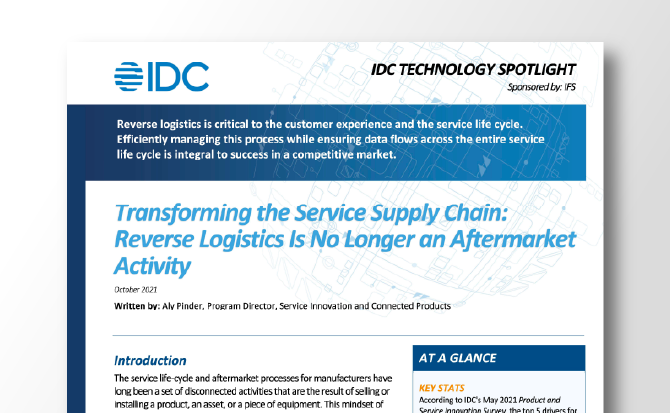
IFS, geleceğin nasıl olacağını analiz eden bir araştırma raporu oluşturmak için IDC ile birlikte çalıştı.
Şimdi keşfedin
IFS, geleceğin nasıl olacağını analiz eden bir araştırma raporu oluşturmak için IDC ile birlikte çalıştı.
Şimdi keşfedin
Şirketinize özel ihtiyaçlarınıza göre farklı yetenekleri bir arada kullanın ve yeni fırsatlara hızla uyum sağlayın.
Teknik incelemeyi okuyun
Şirketinize özel ihtiyaçlarınıza göre farklı yetenekleri bir arada kullanın ve yeni fırsatlara hızla uyum sağlayın.
Teknik incelemeyi okuyun
Kurumsal ölçekte dijital dönüşüm için teknoloji değişikliği rehberinden nasıl değer elde edilir?
Hemen İndir
Kurumsal ölçekte dijital dönüşüm için teknoloji değişikliği rehberinden nasıl değer elde edilir?
Hemen İndir

Çevresel, sosyal ve yönetim alanlarındaki ilerlememizi keşfedin.
Daha fazla bilgi edinin
Çevresel, sosyal ve yönetim alanlarındaki ilerlememizi keşfedin.
Daha fazla bilgi edinin
Adopting sustainable supply chain management practices empowers businesses to enhance their brand image, meet regulatory requirements, and appeal to increasingly eco-conscious consumers. Regulatory pressures and shifting market expectations make sustainability more than a value—it’s now a business imperative.
To address these evolving challenges, companies must invest in comprehensive Supply Chain Management Software that supports end-to-end visibility, agility, and collaboration. Tools like these facilitate smarter decision-making and more sustainable operations across the entire supply chain.
A truly sustainable supply chain is built upon three interconnected pillars:
Strategic Supply Chain Planning is critical in balancing these dimensions. It ensures demand forecasting, inventory optimization, and logistics management align with sustainability goals, making operations both resilient and efficient.
Integrating sustainability into the supply chain offers a wide range of benefits:
Businesses that invest in sustainable supply chains not only reduce their environmental footprint but also position themselves for growth, innovation, and long-term success.
To effectively implement sustainable supply chain initiatives:
Industrial AI is transforming how businesses approach supply chain sustainability. By applying intelligent algorithms to vast data sets, companies can forecast demand more accurately, optimize routes, reduce waste, and prevent disruptions before they happen. AI also plays a vital role in automating compliance checks, identifying carbon hotspots, and dynamically adjusting supply strategies in response to environmental impact metrics.
To harness these capabilities, organizations are turning to Industrial AI solutions that integrate seamlessly with supply chain management platforms. These technologies not only enhance efficiency and agility but also ensure sustainability goals are met through data-driven insights and predictive planning. underscore the effectiveness of ERP for food manufacturers in helping companies thrive in a competitive market.
A future-ready supply chain is one that is transparent, agile, and sustainable. By embracing innovative supply chain management tools and forward-thinking strategies, businesses can lead the way in building a greener, more responsible global economy.