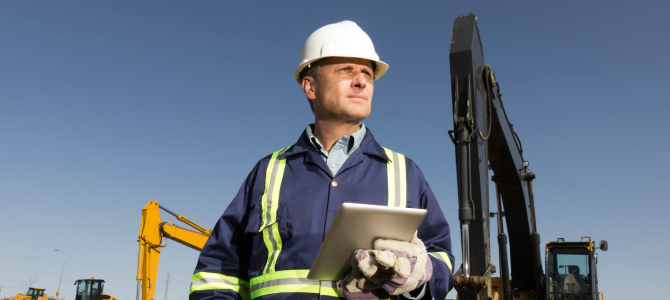
Construction asset management professional using a tablet on-site to monitor heavy equipment and ensure efficient resource utilization.

What is Construction Asset Management?

In the fast-evolving construction industry, construction asset management is essential for achieving project excellence. This process involves managing physical assets like equipment and materials throughout their lifecycle—from acquisition to maintenance and disposal. The right strategies can help construction companies optimize resources, reduce costs, and enhance efficiency. This guide explores the key elements of construction asset management, including the benefits, best practices, and common challenges. We also look at how construction asset management software can streamline operations and discuss future trends that can drive sustainable growth.

Everything you need to know about Construction Asset Management


Construction asset management is the organized management of a project's assets through planning, acquisition, utilization, and disposal. It involves physical assets such as machinery and materials. Effective construction asset management ensures assets perform optimally, reduces costs, and improves project outcomes. It is vital for completing projects on time and within budget, while mitigating risks from equipment failures and inefficiencies. Maintaining a detailed asset inventory enhances resource allocation and decision-making, leading to increased productivity and profitability.

Key components of construction asset management include construction equipment tracking software, maintenance scheduling, and performance monitoring. Construction equipment management software ensures precise asset location tracking. Regular maintenance schedules minimize breakdowns and extend asset lifespan. Performance monitoring analyzes utilization data, identifying trends and inefficiencies to enhance operational efficiency. These elements form a comprehensive strategy for effective construction asset management.

Effective construction asset management offers numerous advantages, such as cost savings and efficiency improvements. By optimizing resource use, reducing waste, and minimizing downtime, projects stay on schedule and within budget. Enhanced project visibility and reporting are key benefits, with construction asset tracking software providing real-time insights to identify bottlenecks early. Comprehensive reporting features allow firms to analyze performance data for continuous improvement.

Moreover, effective asset management strengthens risk management and compliance. Construction projects often face stringent regulations, making compliance challenging. Robust construction asset management software ensures proper documentation and maintenance of assets, fostering accountability and mitigating mismanagement risks. By prioritizing effective asset management, firms can achieve safer, more efficient project execution.

Implementing advanced construction equipment tracking software is essential for effective asset management. Technologies like RFID tags and GPS tracking provide real-time visibility, aiding in resource allocation and reducing loss and theft. Integrated systems should seamlessly work with existing construction equipment management software, offering comprehensive reporting and analytics for stakeholders.

Regular maintenance and inspection protocols are vital for extending asset lifespan. Scheduled maintenance avoids costly breakdowns and repairs, enhancing safety and optimizing performance. Documenting maintenance activities offers valuable insights for informed decision-making regarding asset replacements or upgrades.

Employee training and involvement foster a culture of accountability. Well-trained employees adhere to best practices, boosting operational efficiency. Engaging staff in strategy development can lead to innovative solutions, enhancing effectiveness and instilling a sense of ownership.

Construction firms face asset management challenges that can impede efficiency and profitability. Lack of real-time visibility into asset location and condition can lead to resource misallocation and project delays. Disparate systems often hinder data integration, resulting in incomplete information.

While technologies like IoT and AI can revolutionize asset management, many firms struggle with implementation due to costs and resistance to change. Investing in comprehensive construction asset management software can address these challenges, offering real-time data and analytics for better decision-making. Training employees ensures comfort with new tools and understanding of benefits. Cultivating a collaborative culture improves communication and efficiency.

By overcoming these challenges and leveraging technology effectively, construction firms can enhance asset management processes for improved outcomes.

Choosing the right Enterprise Asset Management software is crucial for optimizing construction asset management. Look for features like asset tracking, maintenance management, and reporting functionalities. Robust construction equipment management software provides real-time visibility, while maintenance management reduces downtime and extends asset life. Comprehensive reporting tools offer insights into asset performance, aiding informed decision-making.

Consider software integration capabilities with existing tools. Seamless integration streamlines workflows and ensures data consistency, reducing manual errors. Evaluate vendors based on their track record in construction asset management software, customer testimonials, and support. A vendor familiar with industry challenges will provide solutions that meet current needs and grow with your business.
back to top back to top Başa Dön